
Table of Contents6Section)
Xinjiang cuisine varies between southern and northern regions. Southern Xinjiang features hand-pulled noodles, kebabs, pilaf, and roasted meats, while northern Xinjiang offers dairy products, cold-water fish, and grassland-style grilled meats. Combined with seasonal fruits, a trip of around 10 days lets you savor over a dozen distinct flavors. Timing your visit with the seasons ensures fresh ingredients and helps you avoid overspending.
What's the difference in food between Southern and Northern Xinjiang? How should I plan my route?#
Southern Xinjiang boasts a thriving oasis agriculture with a diet centered on wheat-based foods and rice, featuring bold use of spices. Northern Xinjiang is dominated by grasslands and pastures, where dairy products and meat play a larger role. While both regions enjoy skewered meats, southern styles favor cumin and spicy aromas, whereas northern styles highlight the natural savory flavors.
From cookware and ingredients, both regions rely heavily on wheat and mutton, with only minor differences in side dishes and seasonings.
Northern Xinjiang is known for its cold-water fish, yogurt, and grassland barbecue, while Southern Xinjiang features pilaf, samsa, and hand-pulled noodles as everyday staples. As you travel, your palate will naturally adapt. Start by getting used to the local flavors over a few days, then gradually try bolder preparations. Southern Xinjiang's oases offer abundant fruits and dried snacks, whereas Northern Xinjiang's pastoral regions provide plentiful dairy, making milk tea and dried yogurt curds common breakfast items.
How to order your first plate of pilaf, roasted baozi, or latiaozi#
2 people should order 2 main dish and 1 meat dishes—don't estimate portions based on mainland China standards. Pilaf is made by braising rice, lamb, and carrots together; it's rich in oil. A small serving of yogurt or a cold side dish pairs best.
First time trying lao-ma (roasted buns)? Take a small bite first to let out the steam—the filling is piping hot. For mixed noodles, refills are available; don't hesitate to ask if you have a big appetite.
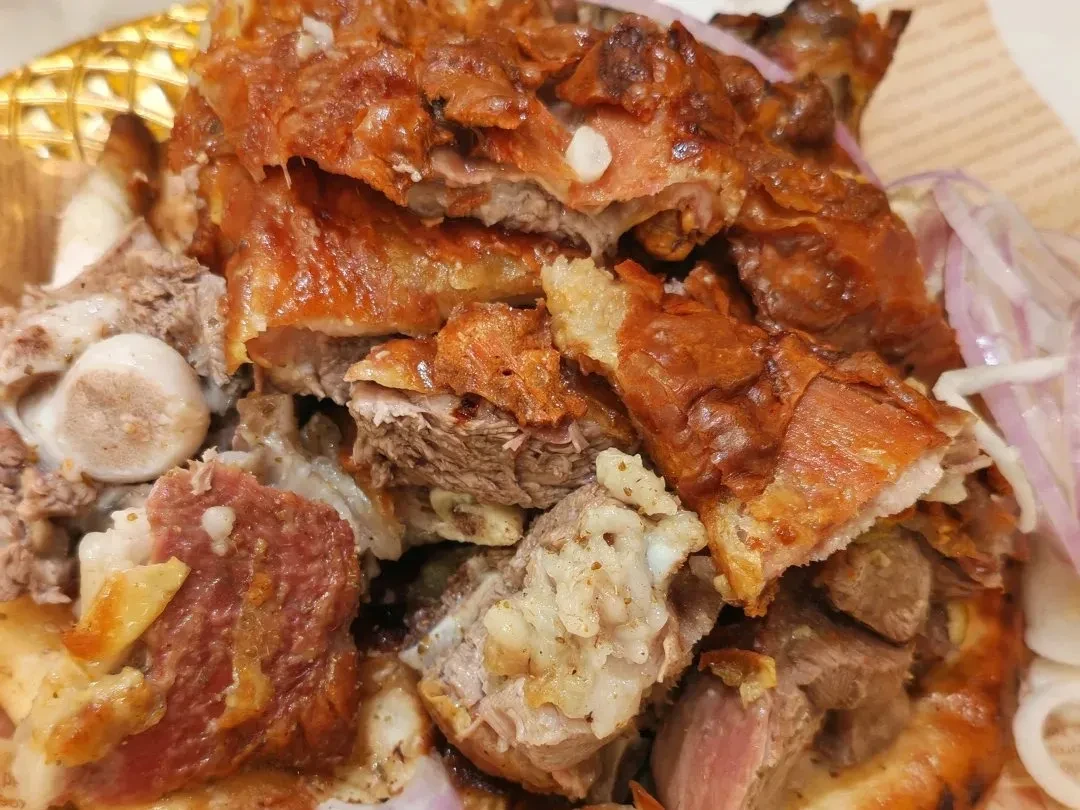
Samsa features a filling of lamb and onions, baked in a tandoor with a thin crust. Eat it hot; the dough hardens when cooled. Laagzi noodles are hand-pulled and boiled fresh, served with various toppings, and extra portions are available. Most staple dishes range from 15 to 40 yuan and come in generous portions.Kashgar Old CityThe nearby restaurants serve traditional-style dishes.Yining Liuxing StreetA concentration of local snacks within walking distance.
Which fruits to eat by month? Monthly guide.#
7 to 8 is the peak season for melons and grapes, where cantaloupes and watermelons are often sold by the kilogram; from 9 to 10, the focus shifts to pomegranates, apples, and late-season melons.
Grapes ripen in batches from late 7 to late 9. Fresh table varieties have thin skins and are easily damaged; use rigid boxes lined with soft paper for short trips. Pomegranates, apples, and red dates go on sale from 9 to 10; they store well and are ideal for last-minute shopping before departure.
Dried fruits at the bazaar are sold by the kilogram with tastings available before purchase. Raisins come in several varieties with significant price differences. Market and street stall prices fluctuate widely; the same item may cost a few yuan more or less depending on the vendor. Always clarify the pricing method before buying. Note that whole melons are heavy—if purchasing by weight, confirm whether they can be cut and portioned first.
How much does it cost per day? Where is it expensive and where is it cheap?#
Average daily spending for regular tourists ranges from 80 to 180 yuan. Breakfast costs between 10 and 20 yuan, while main meals average 40 to 90 yuan per person. Prices near the scenic area entrance may be slightly higher and vary by season; final rates are based on the confirmed quote at the time of booking.
Eat breakfast at your accommodation to save a meal and skip the line.
County town eateries are 30–50% cheaper than tourist-area restaurants; try to have lunch in the county town. At night markets, order grilled meat by portion and add more if needed. Fruits are sold by weight—commonly a few to over ten yuan per kilogram. Ask before buying: avoid purchasing whole melons at tourist entrances, as damage during transit can lead to waste.
What if I don't eat lamb? What can I order?#
Plenty of options: mixed noodles, soup rice, vegetarian pilaf, grilled vegetables, yogurt, and naan. Most restaurants can customize dishes; just mention any dietary restrictions before ordering, and staff will usually provide suitable alternatives.
Specify dietary restrictions before ordering. Don't wait until the food arrives to make changes.
There are also many ways to prepare beef and chicken; you can order a small portion of Big Plate Chicken. Halal restaurants do not allow outside food—please check the signage at the entrance before entering. Vegetarians will find more options in the county town than in scenic areas, so it's wise to pack some snacks just in case.
Stomach upset after a few days? How should I adjust my diet?#
Take a break with noodles or soup rice to let your palate and stomach recover. Since pilaf and grilled meats are high in oil, eating them back-to-back can cause internal heat—be sure to replenish with vegetables and fruits.
Consume dairy and cold items at different times. Try small amounts on an empty stomach. Yogurt is sour, so start with a small portion the first time.
After three days of BBQ, try a local home-style restaurant and order two vegetable dishes. Xinjiang portions are generous—pack leftovers to reheat for dinner. Keep hot water handy while driving long distances to reduce reliance on cold drinks. If you have a sensitive stomach, bring your usual medications and avoid piling up BBQ, dairy, and ice-cold beverages all in one day. For planning routes between Northern and Southern Xinjiang, refer to the following guide.Explore Southern Xinjiang for 7 DaysMatch the daily meal and accommodation points to each node.
Xinjiang China International Travel Service
Consultation Hotline:18999127242
Homewww.xjgllxs.com

What are Xinjiang's signature dishes? How do you enjoy Big Plate Chicken, skewered lamb, pilaf, and Bazaar snacks?
Xinjiang cuisine is known for its generous portions and bold flavors: Big Plate Chicken served with wide noodles, skewered kebabs sold by the piece, pilaf packed with lamb and carrots, and naan that's best fresh out of the oven. Bazaars also offer yogurt, baked buns, and rice intestines. Order based on your group size—two people ordering three dishes often leaves leftovers. Start with fewer items; you can always order more if needed.

