
Table of Contents6Section)
New autumn delicacies in Xinjiang from 9 to 10: start with grapes and melons, then move on to fragrant pears and apples; lamb is also at its best. Urumqi, Turpan, and Kashgar each have their own specialties—ask about portion sizes and spice levels before ordering.
What fruits are on display in Turpan's markets in 9? How to pick grapes and Hami melons?#
Mid to late 9 is when Turpan grapes and Hami melons hit the market in force. Seedless grapes are exceptionally sweet, and melon stalls are plentiful. For grapes, check the stems—green means fresher. For melons, smell the bottom; buy only if fragrant. Stalls line the roadsides in Turpan, with morning-picked produce sold by afternoon. Buy whole melons so vendors can slice them open for you to inspect the flesh color. Sliced melons are hard to transport, so sharing among a group works best.
Korla pears are harvested starting in 9, while Aksu apples won't be widely picked until late 9 to mid-10. Starting in 10, pomegranates, jujubes, and walnuts follow, with the proportion of fresh grapes decreasing and more stored fruits appearing.
Produce markets sell by the kilogram. Stalls in tourist areas are usually pricier, so taste a sample before buying. For take-home treats, choose pears, apples, or jujubes; soft grapes and figs are best eaten within two to three days.
What time is best to visit the Kashgar Night Market? What can you eat there in two hours?#
8 PM is perfect—the stalls are all open, locals are out in force, and two hours of strolling is enough. While vendors start by 6 PM, the real buzz picks up a bit later; most begin wrapping up after 11 PM.
You can find roasted eggs, grilled fish, pilaf, and yogurt zongzi. For the first time, I ordered small portions of each. Fish is sold by the whole piece—ask the price before ordering; one fish is enough for two people. Stalls in the alley are cheaper than those on the main street, though they have fewer seats.
Cash and QR code both accepted; having small change helps. In crowds, keep your bag in front of you. Move forward after eating.Kashgar Old CityWalk a bit down the alley to digest safely.
What's for breakfast at Yining's morning market? How do milk tea and naan go together?#
Mornings in Yining begin with naan and milk tea, peaking between 8:00 AM and 9:30 AM. Pair a piece of naan with a bowl of milk tea, add some yogurt or fruit jam, and you're ready for a leisurely morning stroll.
Small eateries around Liuxing Street serve generous portions of mixed dishes. You can get vinegar-glazed cabbage or stir-fried romaine lettuce; just specify the oil level upfront. If the menu is short, simply ask the kitchen what's available today.
Xinjiang is about two hours behind the rest of China in terms of daily schedule. Lunch is usually after 13, and dinner after 20. Eat a hearty breakfast to avoid settling for a quick meal at scenic spots.
How many people should share one serving of lamb to avoid waste in autumn?#
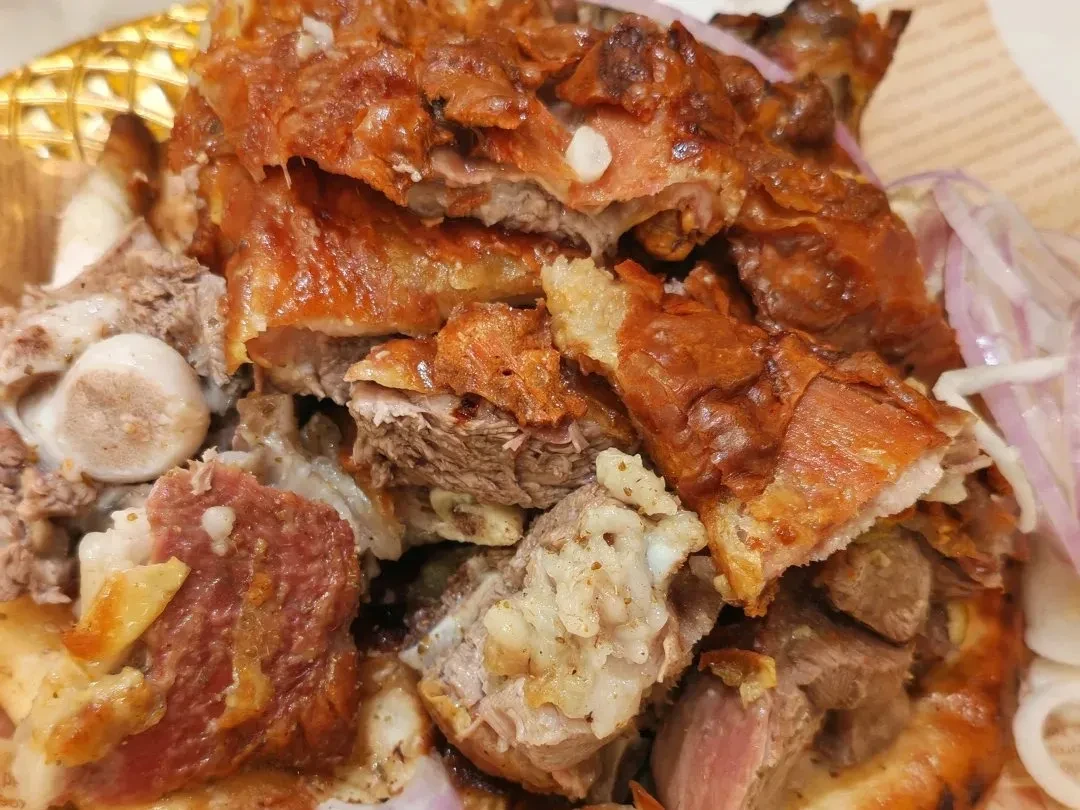
Two or three people can share one large plate of Big Plate Chicken or a pot of stewed lamb—ask about portion sizes before ordering. Order grilled lamb skewers individually: start with 5 to 8 per person to sample, and order more if needed. Lamb is warming in nature; it's comfortable in autumn, but eating it two meals in a row may cause internal heat. Pair your meal with Pickled Radish Salad (Pi La Hong) or yogurt to soothe your throat the next day.
Lamb is sold by the kilogram with options to choose fat-to-lean ratios. For stewed lamb, skim off the oil before drinking the broth. Halal restaurants typically do not serve alcohol; bringing your own is inappropriate.
After eating meat for several days, a bowl of tomato and egg noodles or rice soup can help settle your stomach. In autumn, the temperature difference between morning and evening can reach 15°C; carry warm water with you and avoid eating too much fruit at once.
Is buying fruit by the case cost-effective? How should it be packed for shipping?#
Unit prices for full boxes are usually lower, but only if you can finish them. For 3–4 people in a car, buying one box of pears or apples to share is perfect; two people shouldn't overbuy.
Soft fruits bruise easily—place them on top and keep them away from the suitcase. Cars get hot in the sun; when parked, move the fruit to a shaded spot. At night, open windows for ventilation.
Keep dried fruits sealed to prevent moisture and loss of flavor. At the bazaar, you can taste before buying. While buying in bulk may seem cheaper, it's common to find the taste doesn't suit you once you're home. After visiting the night market, buy a bottle of water on your way back to your accommodation so your throat won't feel dry the next day.
How much does the average person spend on meals in autumn? Which meals account for the majority of spending?#
Casual restaurants typically charge between $30 and $200 for three meals a day. Ordering large portions of grilled or stewed meat will significantly increase the bill. Prices vary daily by establishment; ordering without checking the menu can easily lead to overspending.
Most of the budget goes toward dinner. For lunch, grab a bowl of mixed noodles or pilaf while on the road—it's more practical. Restaurants in scenic areas are limited and pricey; if you can eat in a county town, don't wait until you reach the attraction.
To keep meals concentrated, have main meals in Urumqi and Kashgar, and use staples and fruits to fill gaps in smaller towns along the way. You can refer to this itinerary for pacing in Southern Xinjiang.Southern Xinjiang Secret: 8 DaysThe meal times and drive duration align.
Xinjiang China International Travel Service
Consultation Hotline:18999127242
Homewww.xjgllxs.com

What are Xinjiang's signature dishes? How do you enjoy Big Plate Chicken, skewered lamb, pilaf, and Bazaar snacks?
Xinjiang cuisine is known for its generous portions and bold flavors: Big Plate Chicken served with wide noodles, skewered kebabs sold by the piece, pilaf packed with lamb and carrots, and naan that's best fresh out of the oven. Bazaars also offer yogurt, baked buns, and rice intestines. Order based on your group size—two people ordering three dishes often leaves leftovers. Start with fewer items; you can always order more if needed.

