
Table of Contents6Section)
Kashgar's Old City food scene is centered on three routes: snack streets in the old alleys, pilaf and noodle dishes in residential areas, and skewers around the High Platform neighborhood and outer markets. Expect to spend 30 to 80 yuan per person for a satisfying meal; adding naan pit meat and skewers will push it over 120 yuan. Prices fluctuate seasonally—check current rates. Following this guide ensures you won't leave hungry on your first visit.
How much does a meal cost per person in Kashgar Ancient City? What dishes might cause you to go over budget?#
Per-person costs of 30 to 80 yuan are typical. Going over budget usually means ordering by-the-kilo BBQ dishes like naan pit meat or lamb chops. One portion shared between two people is enough for these items—don't order per person.
Main street shops cost about 20% more than those in the surrounding residential areas. In terms of timing, before 11 the Old City is mostly residential, with freshly cooked pilaf ready; peak dining hours are between 13 and 20. Arriving 30 minutes early or late makes it easier to find a seat. A bowl of yogurt in the Ancient City costs 5 to 15 yuan—pairing it with pilaf feels better than pairing it with cold drinks. To save money, skip the main street and walk two alleys deeper; prices drop immediately.
What should you eat in the old town alleys? Which street has the most snacks?#
Head north from Id Kah Square; the dense storefronts along Wustanboya Street offer concentrated stalls for samsa, mantou, liangpi, and yogurt, priced from 5 to 20 yuan.
Great for eating on the go. Buy two items to sample before deciding. Roasted buns are freshly baked in tandoor ovens near the stall, so lines are longest right after they come out; cold skin noodles taste best with vinegar in summer. Before buying, check if the oil and cutting board are clean. Busy stalls turn over quickly, meaning fresher ingredients. Try just a few roasted buns instead of buying a whole bag. In alleyways, family tea houses offer brick tea with snacks—sit for 30 minutes to rest. Average cost: 10–20 yuan. Tea houses are lively in the afternoon but quieter in the morning, ideal for watching vendors prepare ingredients.
Why is pilaf cheap in residential areas? What time should you queue up?#
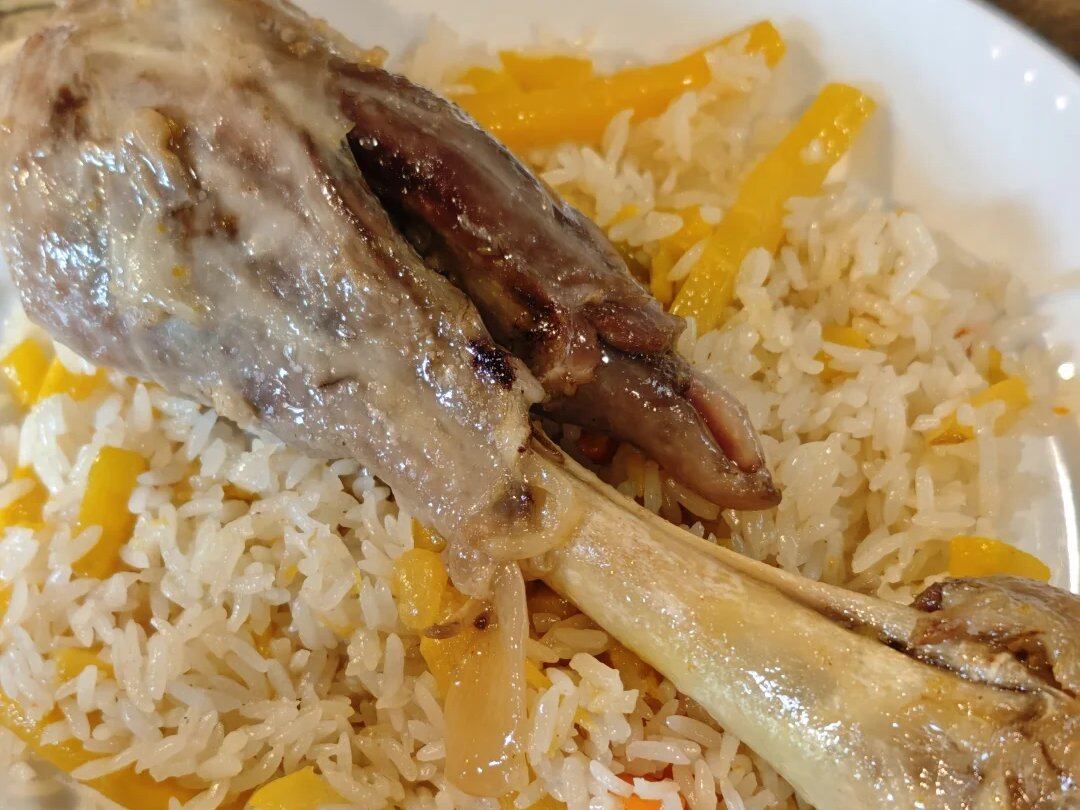
Low rent, local clientele. Pilaf costs 20 to 30 yuan per serving; mixed noodles cost 15 to 25 yuan—5 to 10 yuan cheaper than on the main street. Locals line up around 13; following their queue is a safe bet.
Nasir can be paired with yogurt or pickled radish to cut the grease. If you're dining as a couple, order one portion and add two thin-skinned buns. Since the pilaf is oily, tea pairs better than cold drinks. The small shop sells by portion; adding noodles at no extra cost is noted on the wall. For a budget-friendly meal, try one portion of pilaf with complimentary tea—20+ yuan fills you up. Soup rice ranges from 15 to 25 yuan; it's mild in flavor, ideal for those who don't tolerate spice. Noodles can usually be refilled for free; just ask when ordering.
Naan Oven Meat: Sold by the kilogram or per serving? How to order without overspending#
Sold by the kilogram. Naan oven meat typically costs 90 to 160 yuan per kg, skewers range from 3 to 10 yuan each, and whole fish is priced per piece—usually one fish costs 40 to 80 yuan, enough for two people.
Try a few skewers first before ordering more. Don't order by headcount right away. For items sold by weight, watch the weighing process; for skewers, count them. Lamb ribs have less meat, so ask if the price is net or gross weight before ordering. Eat naan bread with naan meat: tear off a piece, add meat and onions. Halal restaurants do not serve alcohol, so dress appropriately. Some stalls accept cash or QR codes only—confirm payment methods beforehand. Ask whether dishes are priced per portion or by weight to avoid billing issues.
What time should I eat in the ancient city to avoid crowds? How can I plan a staggered schedule?#
Fewer people between 11 and 15–17. Tables are in high demand at 13 and 20. Due to narrow alleys in the ancient city, waiting guests must stand at the entrance.
Keep children away from the oven and hot soup; do not let them stand directly in front of the stove. If you're short on time, eat within the city; if you have more time, walk to the outer markets for portions that reflect local daily meals. Stalls usually close after 21, so arrive early to avoid limited choices. Chain convenience stores in the ancient city offer prices similar to those outside; stock up on water and yogurt there. Rice blood sausage and wheat lung are flavorful but acquired tastes—start with small samples. In summer, look for cold noodles and jelly desserts; in autumn and winter, switch to hot soups and noodles.
Where to have lunch before heading to Pamir? Is there food available along the way?#
Stay for a meal in the old town before you leave. The drive toward Tashkurgan and the Pamir Plateau is long.Karakul LakeFew supply points along the route, so lunch in the ancient city is more reliable.
Pack enough water and snacks before you leave. Restaurants along the route are concentrated in a few towns; if you miss meal times, only small shops will be available. Ask about fueling stations ahead of time and fill up your tank before leaving the city—don't let it drop below half. For navigating the ancient town's streets, refer to...Explore Southern Xinjiang for 5 Daysschedule;Kashgar Old CityThe alley is best explored in the evening, when the lights come on and more stalls open. If you're with children, avoid standing directly in front of the grills to prevent being splashed by hot oil.
Xinjiang China International Travel Service
Consultation Hotline:18999127242
Homewww.xjgllxs.com

Half-Day in Maiqati's Danglang Township: Peasant Painting and Muqam
Dolan culture in Maiqati is found in the villages surrounding the county town. Two visible highlights are farmer paintings and Dolan Muqam performances. This guide explains how to reach Dolan Township, where to view the paintings, how to book Muqam shows, whether half a day is enough, and how to combine this trip with visits to Shache and Kashgar.

