
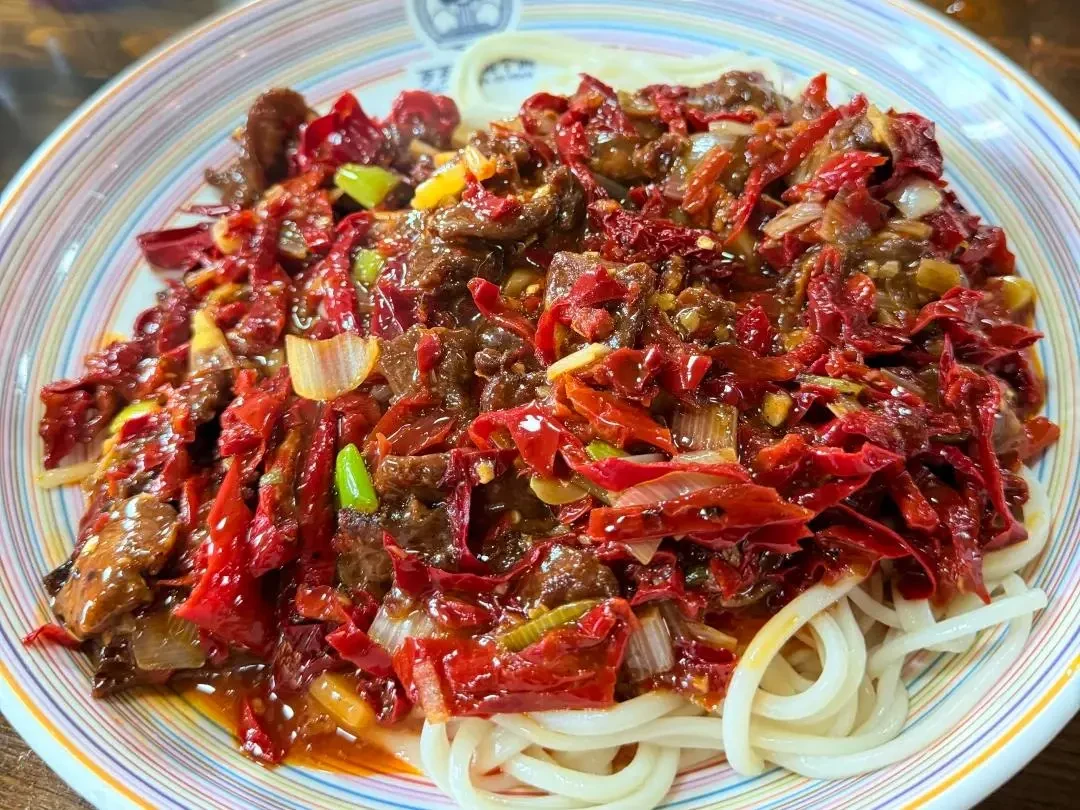
Xinjiang Banmian
La Zhang Zi, also known as Ban Mian, is made by kneading, resting, and stretching dough into uniform noodles. After boiling and rinsing, the noodles are plated. The topping typically consists of stir-fried mutton slices with green peppers, tomatoes, and onions, then poured over the noodles and mixed. The noodles are chewy with a tangy, savory sauce. Extra noodles can be added, often served with garlic and vinegar.
More Food Recommendations
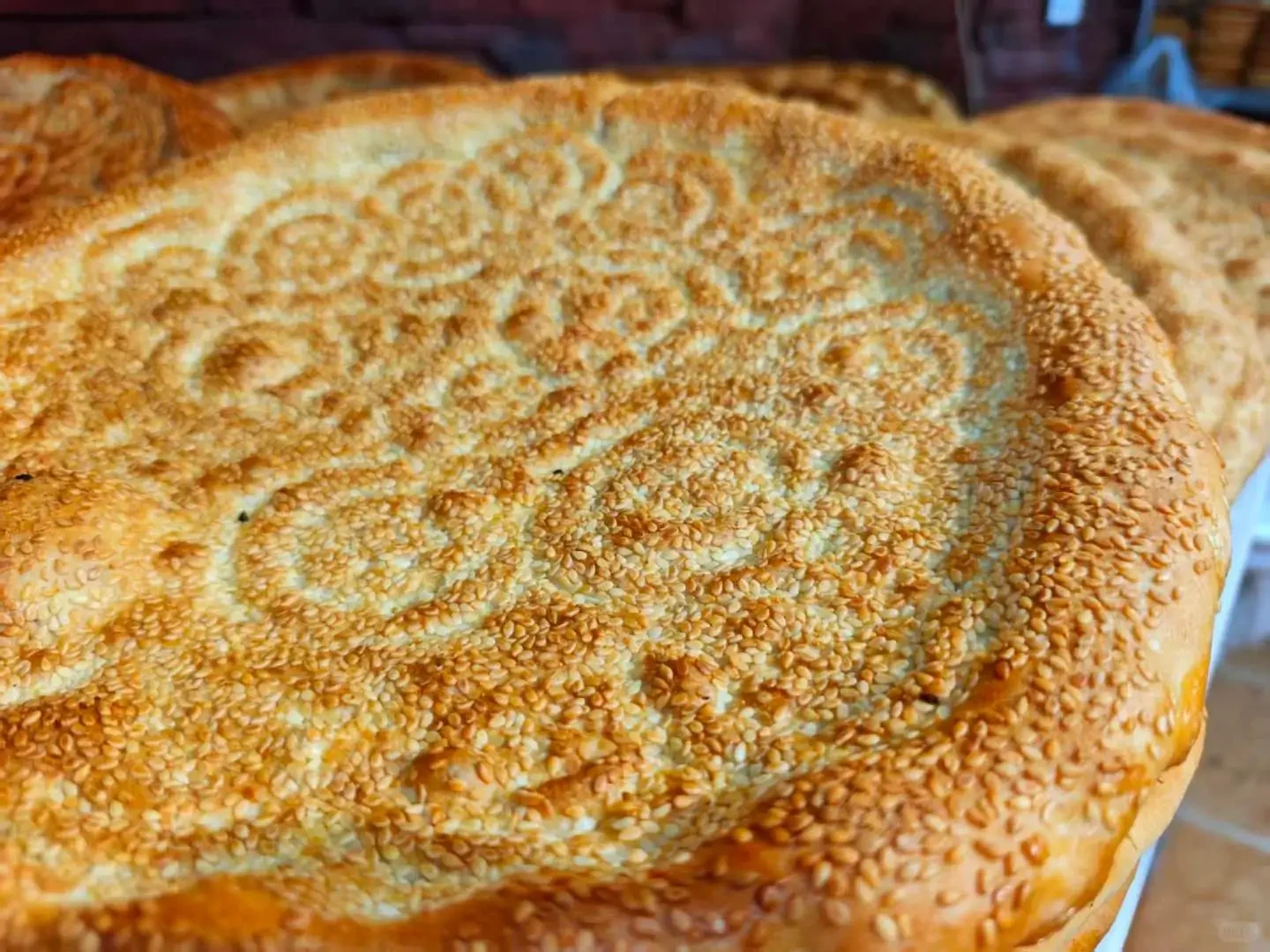
Naan
Naan is made from wheat flour, salt water, and yeast kneaded into dough, rolled into a round flatbread that is thin in the center and thicker at the edges. It's topped with sesame seeds or chopped onions and baked at high temperature on the inner walls of a tandoor oven. The result is a crispy exterior with a soft interior and a distinct wheat aroma. Naan can be torn into pieces and served with milk tea or brick tea, or often used to wrap grilled meat or dipped into meat broth.
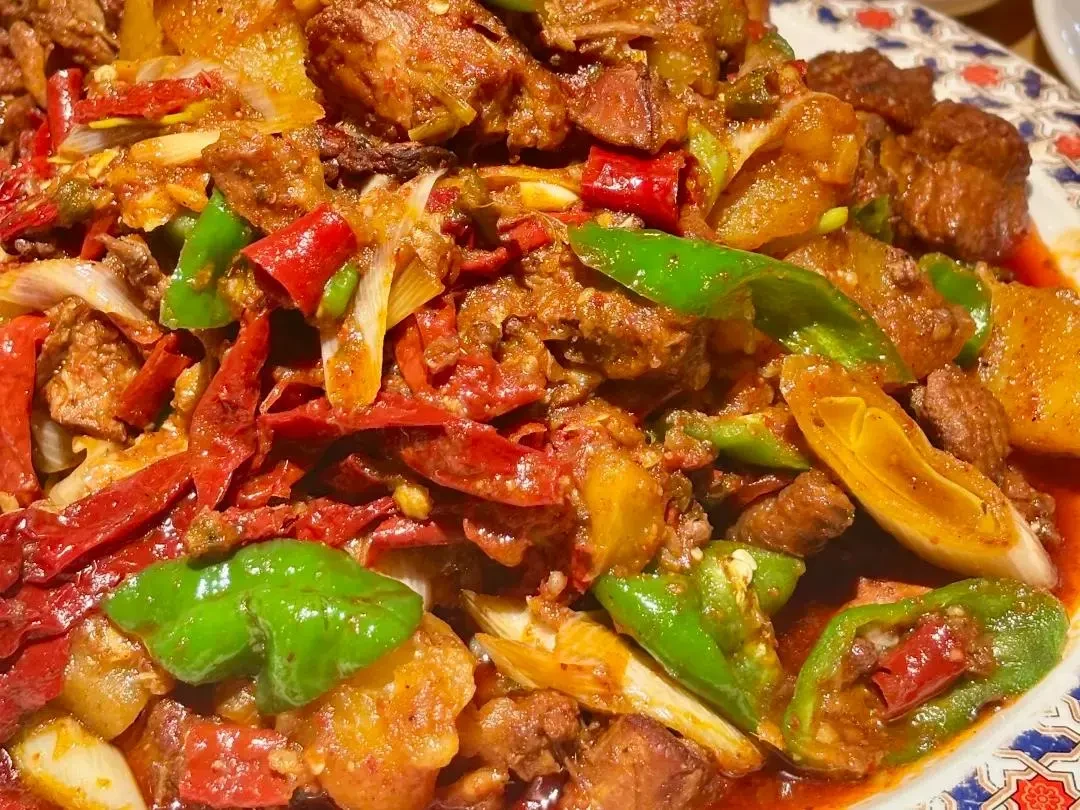
Xinjiang Big Plate Chicken
Dapanji: A multi-ingredient stir-fry featuring chopped free-range chicken, potatoes, green and red bell peppers, dried chilies, and Sichuan peppercorns. Simmered with soy sauce and beer until the sauce thickens, hand-pulled wide noodles are added just before serving. The chicken is flavorful, the potatoes tender, and the noodles chewy after absorbing the rich sauce. Typically served for 3–4 people, best enjoyed with Wusu beer or yogurt to balance the spice.
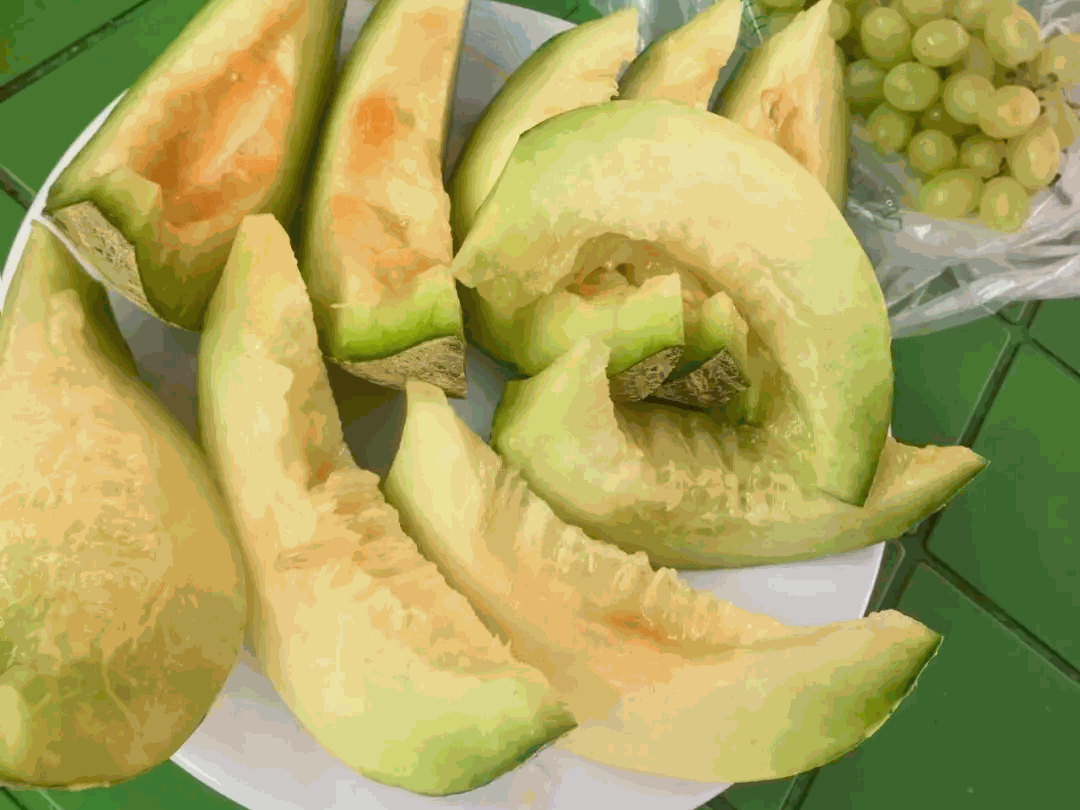
Xinjiang Old Man Melon
Lao Hangua is a variety of Xinjiang muskmelon with yellow-green skin and soft, orange flesh that is low in fiber. Due to large day-night temperature differences and ample sunlight, it accumulates high sugar levels, resulting in a tender texture and rich aroma. It ripens from 7 to 9. Enjoy it fresh, slice it into strips to dry, or cook it into melon jam.